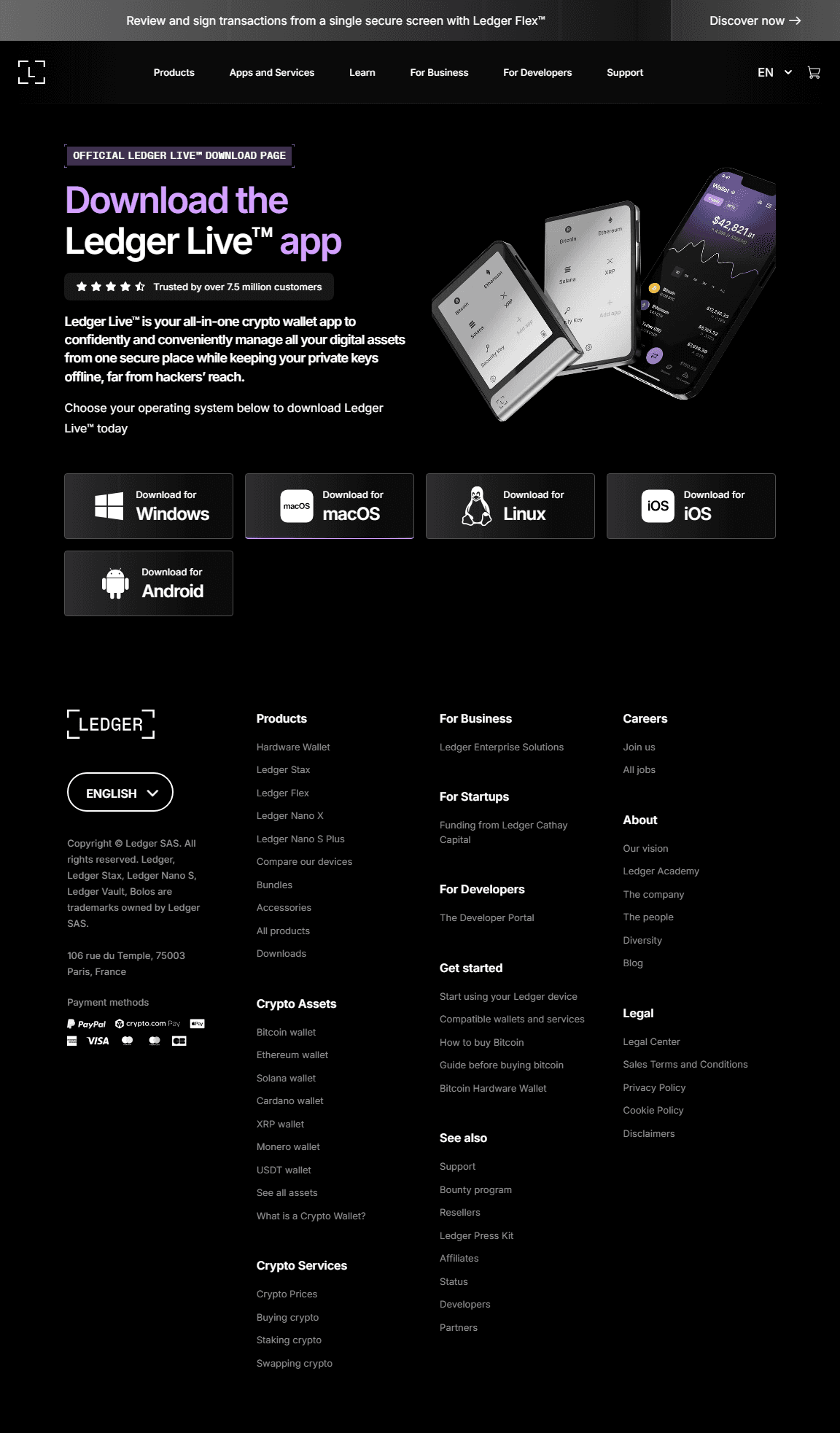
Ledger Live Login: A Fresh, Detailed Overview for Secure Crypto Access
Managing digital assets requires both convenience and strong protection. Ledger Live is designed to provide exactly that by serving as the central hub for interacting with Ledger hardware wallets. Accessing Ledger Live—often referred to as “logging in”—is a different experience from typical online platforms because the software emphasizes local security, hardware verification, and user control. This guide offers a newly written, thorough explanation of how Ledger Live login works, the security involved, common issues users face, and best practices for smooth operation.
Understanding What Ledger Live Is
Ledger Live is an application for desktop and mobile devices that connects to Ledger hardware wallets. Once connected, it lets you monitor your digital asset portfolio, transfer funds, view real-time market data, stake supported coins, and access decentralized applications. Instead of relying on online credentials, Ledger Live uses a mixture of local authentication and hardware approval. This is intentional: the platform is designed to maintain self-custody rather than operate like an exchange.
In contrast to custodial services that use emails and passwords, Ledger Live provides an environment where users remain fully responsible for their assets. This approach helps prevent unauthorized access and reduces the risks associated with centralized databases.
How Ledger Live Login Works
Ledger Live does not use a traditional login form. Instead, it offers a secure entry process based on device-level controls. Below are the layers involved.
1. Launching the Application
When you open Ledger Live, it loads your portfolio and settings from the storage on your computer or phone. There is no online request made to authenticate a user profile. Because the app relies on local data, it opens quickly and privately.
2. Accessing the App Through a Local Password
Users can set an internal password that locks the Ledger Live interface. If this option is turned on, the app will ask for the password each time it is opened or after a period of inactivity. This serves two key purposes: preventing unauthorized access and protecting private portfolio information.
If the password is not set, anyone who opens the app can see wallet balances and account names, but they would still be unable to move funds without the hardware wallet.
3. Connecting the Ledger Hardware Device
The most important part of the login process involves the Ledger hardware wallet. The app requires you to connect and unlock the device for key actions such as sending crypto, modifying accounts, or installing apps. This stage includes:
Unlocking the device with your PIN
Confirming actions on its physical buttons
Opening the relevant crypto app on the hardware wallet
This system makes crypto transactions far more secure than software-only solutions. Even if someone has access to your computer, they cannot perform harmful actions without the hardware wallet.
Why Ledger Live Uses This Style of Login
Several reasons explain why Ledger Live avoids online account structures:
Self-Custody Philosophy
Ledger’s system is built around the idea that your private keys should never leave your possession. Since the hardware wallet stores all sensitive cryptographic information, a standard login form becomes unnecessary.
Better Privacy
No registration is required to use Ledger Live. This means your personal identity is not tied to your crypto holdings through a centralized service.
Minimal Attack Surface
Without online accounts, hackers cannot target Ledger Live by compromising cloud databases. The only vulnerability is the local device—and the hardware wallet provides strong protection even in that scenario.
Offline Functionality
Because data is stored locally, you can access Ledger Live even without an internet connection. While blockchain interactions require connectivity, portfolio viewing does not.
Setting Up Ledger Live for Optimal Security
Although Ledger Live has strong security built in, users can make the environment even safer by following certain guidelines.
1. Enable the Password Lock
The password lock in Ledger Live is a simple but effective barrier. Turning it on prevents unauthorized users from seeing sensitive financial information if they gain access to your device.
2. Use a Clean, Well-Maintained Device
Because Ledger Live relies on your computer or mobile environment, keeping that device free of malware is essential. Install updates regularly, use reputable antivirus tools, and avoid websites or downloads that may contain harmful software.
3. Keep the Ledger Device Firmware Updated
Firmware updates enhance security and improve compatibility. Ledger Live will notify you when a new update is available for your hardware wallet, and applying it quickly ensures your device stays protected.
4. Protect Your Recovery Phrase
Your recovery phrase is the master key to your wallet. It should never be typed into Ledger Live, digitally stored, or shared. While it is not part of the login process, it is the ultimate safeguard for your accounts.
Common Issues With Ledger Live Login and How to Fix Them
Even with a streamlined login design, users may encounter occasional problems. Here are some frequent issues and solutions.
1. App Password Forgotten
If you forget the password you created for Ledger Live, you must reset the app. This clears local data but does not affect your crypto. After resetting, you simply reconnect your Ledger hardware wallet to restore your accounts.
2. Device Not Detected
Sometimes Ledger Live is unable to recognize the hardware wallet. Fixes include:
Using another USB cable
Removing USB hubs or adapters
Restarting Ledger Live
Unlocking the device with the correct PIN
Ensuring no other app is trying to use the device
Switching to a different USB port often resolves the issue.
3. Application Not Loading
The app may fail to open due to system conflicts or installation problems. Solutions include updating Ledger Live, clearing the application cache, or reinstalling the app.
4. Portfolio Not Syncing
If assets do not appear correctly:
Refresh the accounts
Restart the app
Ensure Ledger Live is updated
Confirm there are no network interruptions
Blockchain congestion can sometimes delay balance updates, but this resolves automatically.
How Ledger Live Login Compares to Traditional Crypto Platforms
People coming from custodial platforms will notice that Ledger Live’s system feels very different. Here is a simple comparison:
Traditional Exchanges
Require email and password
Store personal data on servers
Hold private keys on behalf of users
Can restrict withdrawals or freeze accounts
Ledger Live
Uses local access rather than online accounts
Does not store personal identity data
Requires the hardware device for all important actions
Gives users complete control of assets
This distinction is important. Ledger Live is not an exchange but a self-custody tool. The login design reflects that philosophy.
Best Practices for Smooth Ledger Live Login
Adopting smart habits ensures both convenience and safety:
1. Double-Check Every Confirmation on the Device
Before approving any action on your Ledger wallet, verify the destination address and transaction amount. The device screen serves as your final line of defense.
2. Close Ledger Live When You’re Done
Especially on shared or public computers, closing or locking the app ensures that no one else can see your portfolio.
3. Avoid Risky Networks
Public Wi-Fi is not ideal for interacting with crypto software. Use secure networks whenever possible.
4. Keep Your Hardware Wallet Safe
Because physical access is required to interact with your funds, store your Ledger device securely and avoid lending it to others.
Conclusion
Ledger Live’s login system offers a unique approach that aligns with the principles of asset ownership, privacy, and strong security. Instead of relying on online accounts, the platform uses local password protection combined with hardware verification to ensure that only the rightful owner can access or manage crypto holdings. By following recommended security practices—such as enabling the password lock, keeping devices updated, and guarding your recovery phrase—you create a secure environment for managing digital assets.
Whether you are experienced with crypto or accessing Ledger Live for the first time, understanding its login process helps you navigate the platform confidently while keeping your assets safe.