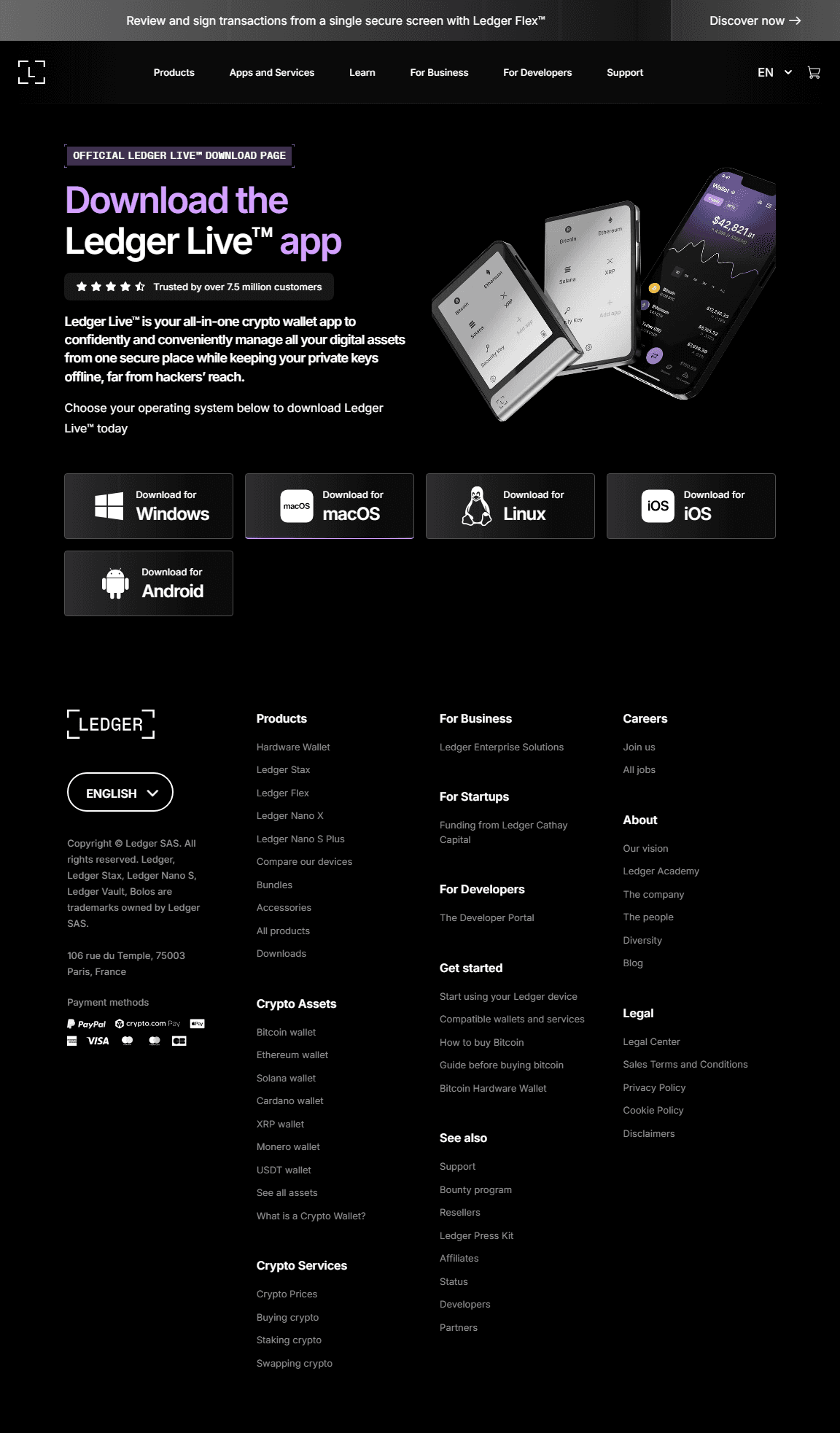
Ledger Live Login: A Complete Guide to Secure Access and Smooth Crypto Management
Managing digital assets safely requires not only reliable hardware but also trusted software. Ledger Live has become one of the most widely used platforms for overseeing crypto holdings, and its login process plays a central role in ensuring that users maintain full control over their accounts. Understanding how Ledger Live login works, why it matters, and how to troubleshoot potential issues is essential for anyone using a Ledger device. This detailed guide explains everything you need to know about accessing Ledger Live securely and efficiently.
What Is Ledger Live?
Ledger Live is the official companion application designed for Ledger hardware wallets. It acts as the main interface where users can view balances, manage transactions, install apps on their Ledger device, stake assets, and interact with Web3 features in a controlled environment. Since Ledger hardware wallets secure private keys offline, Ledger Live serves as the bridge connecting users to blockchain networks in a safe and user-friendly manner.
The login process in Ledger Live is different from traditional apps. Unlike centralized platforms that use email addresses or cloud-stored passwords, Ledger Live focuses on local authentication and hardware confirmation, aligning with the company’s emphasis on self-custody.
Understanding the Ledger Live Login Process
The Ledger Live login flow is intentionally straightforward, but behind its simplicity lies strong security architecture. Ledger Live does not require you to create an online account or store personal data on servers. Instead, it relies on device-based authentication, meaning access is tied to your computer or phone and your Ledger hardware wallet.
1. Launching the Application
When you open Ledger Live on desktop or mobile, the app loads your dashboard locally. Since no online login is required, you access your portfolio instantly. However, full functionality—especially involving transactions or sensitive operations—requires connecting your Ledger device.
2. Entering Your Password (If Enabled)
Ledger Live allows users to set an optional app-level password. This feature acts as a local lock. When enabled, you must enter your chosen password every time you open the app or after the device is idle for a certain period.
This password, stored only on the local device, protects your portfolio information from unauthorized access.
3. Connecting Your Ledger Device
To manage assets, approve transactions, or adjust settings, the Ledger hardware wallet must be connected and unlocked:
For Ledger Nano X: unlock using your PIN.
For Ledger Nano S Plus or Nano S: connect via USB and unlock with your PIN.
On mobile, Ledger Nano X can pair through Bluetooth.
Once unlocked, Ledger Live detects the device, allowing you to access all management features.
Why Ledger Live Login Works This Way
Ledger Live avoids centralized login systems for important reasons:
Maximum Self-Custody
Crypto ownership relies on private keys. Ledger devices store these keys offline, and Ledger Live never has access to them. Because of this, a traditional login account is unnecessary and could introduce unwanted risks.
Local-Only Access
All sensitive data—portfolio structures, transaction histories, and account names—is stored locally. This eliminates concerns about cloud breaches, server outages, or third-party tracking.
Hardware-Based Confirmation
Even if someone gained access to the Ledger Live interface, they could not move funds or approve transactions without the physical device and its PIN. This two-layer system prevents unauthorized actions.
Setting Up Ledger Live Login for Maximum Security
While Ledger Live is secure by design, users can strengthen their login experience by configuring additional protections.
1. Enable the App Password Lock
This is a simple but powerful safeguard. If someone gains access to your computer, they cannot open Ledger Live without this password. Choose a strong combination that is easy for you to remember but hard for anyone else to guess.
2. Use a Secure Device
Ensure your desktop or mobile device is free from malware. Ledger Live security works best when paired with a clean operating environment. Regular system updates, antivirus software, and safe browsing habits significantly reduce risks.
3. Keep Your Ledger Firmware Updated
Updating firmware helps protect against potential vulnerabilities. Ledger Live will often notify you when a new firmware version is available for your device. Staying updated ensures compatibility and maximum safety.
4. Protect Your Recovery Phrase
Although it is not part of the login process, your recovery phrase is the foundation of your wallet. Never enter it into Ledger Live, never store it digitally, and never share it. Ledger Live will never ask for it.
Troubleshooting Ledger Live Login Issues
Some users may experience problems when trying to log into or access Ledger Live. Most issues are easily resolved with a few steps.
1. Forgotten Ledger Live Password
If you enabled a Ledger Live password and can’t remember it:
You must reset Ledger Live.
Resetting does not affect your crypto assets.
After reinstalling or resetting, you simply add your accounts again.
Your assets remain safe because they are tied to your Ledger hardware wallet, not the app.
2. Ledger Device Not Connecting
If Ledger Live does not detect your hardware wallet:
Check your USB cable or Bluetooth connection.
Ensure the device is unlocked with the correct PIN.
Confirm that the correct app (e.g., Bitcoin, Ethereum) is open on the device when performing transactions.
Restarting Ledger Live and the hardware wallet often solves connection delays.
3. Ledger Live Crashing or Not Opening
This issue may relate to corrupted files or system conflicts:
Update Ledger Live to the latest version.
Clear cache from the settings menu.
Restart your computer or mobile device.
Reinstall Ledger Live if necessary.
Your assets and keys remain secure, as they are stored on your Ledger hardware wallet, not in the software.
4. Sync or Portfolio Display Errors
Sometimes market data may load slowly or accounts appear out of sync. This typically resolves by:
Refreshing account data
Updating Ledger Live
Restarting the app
How Ledger Live Login Differs from Online Exchanges
Many users compare Ledger Live login to centralized exchange platforms. However, the philosophies behind each are fundamentally different.
Centralized Exchanges Use:
Email-based login
Password stored on servers
User accounts controlled by a company
Custodial wallet management
Ledger Live Uses:
Local app access
Optional password
A hardware wallet to approve actions
User-controlled, self-custody system
This difference means Ledger Live does not hold user funds or keys. Instead, it acts as an interface to your self-custodied assets.
Best Practices for a Safe Ledger Live Login Routine
To keep your login experience smooth and secure, consider adopting these habits:
1. Always Verify Your Ledger Device Before Use
Ensure the device is genuine and has not been tampered with. Ledger devices come sealed, and Ledger Live will help verify authenticity during setup.
2. Log Out or Lock the App When Not in Use
If you share your computer or use it in a public place, locking Ledger Live adds an extra layer of protection.
3. Avoid Using Ledger Live on Untrusted Networks
Public Wi-Fi networks may expose your device to unnecessary risks. A private network is safer for interacting with crypto applications.
4. Regularly Backup System Data
While Ledger Live can be restored easily, maintaining general system backups protects your overall environment.
Conclusion
The Ledger Live login experience is specifically designed to align with the principles of crypto self-custody. It avoids the vulnerabilities of centralized login systems and instead relies on local authentication paired with the unmatched security of Ledger hardware wallets. Whether you are checking your portfolio, installing new apps, managing transactions, or exploring Web3, the login process remains simple yet secure.
By understanding how Ledger Live login works, setting up protective measures, and following good security habits, users can confidently manage their digital assets in a controlled and trustworthy environment. Ledger’s combination of hardware security and intuitive software continues to provide peace of mind for both new and experienced crypto holders.